

By Charlotte Ahern (June 2026)
Granville Island is not a polished dining strip like Yaletown or Gastown. It is a working public market, arts district, waterfront tourist magnet, casual food destination, and a Vancouver icon all at once. The neighbourhood is also one of Canada’s most-popular and most-visited tourist attractions.
As an area, the district is colourful, quirky, a little inconvenient, and still one of the most recognisable food-and-waterfront experiences in the city. Come for the market. Stay for the view. Leave with bread, cheese, coffee, flowers, and a stomach full of goodies.
Standout Restaurants on Granville Island

Granville Island: Public Market Dining, Waterfront Patios & Artsy Daytime Energy
When people Google what to do in Vancouver, Granville Island is almost always on the list, and for good reason. The district gives visitors the market, the water, the Vancouver skyline, galleries, buskers, boat docks, and enough food options to turn a quick wander into a full afternoon.
Dining in the area is not about one perfectly timed reservation. It’s about market grazing, seafood lunches, coffee walks and choosing the right sit-down spot when you want the view to do half the work.
Explore the Food Scene, Waterfront Restaurants, Casual Eateries, Coffee and Bakeries, and what Granville Island is Actually Best For.
Vancouver’s Market-First Dining District
Granville Island doesn’t behave like a normal restaurant neighbourhood, and that is the charm. Its official mix includes the iconic Public Market, with more than 50 independent food vendors, restaurants, breweries, theatres, outdoor performance spaces, artists, boutiques and galleries. All of which are sitting in a waterfront area with industrial and maritime bones.
The district is touristy, yes. But it is also one of those places locals pretend to avoid until they need a box of pastries, niche cheese, fresh seafood, a children’s birthday activity, or a last-minute “show Vancouver to visitors” plan. Locals visit the place as much as tourists do.
Where Is Granville Island?
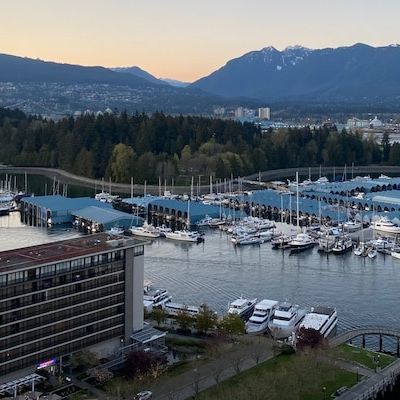
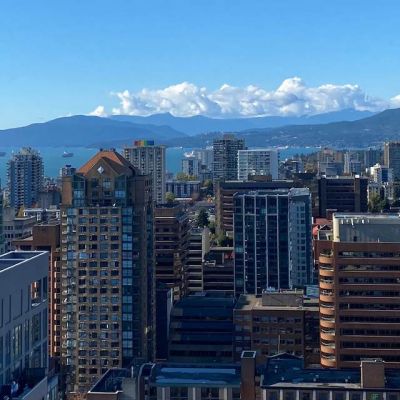
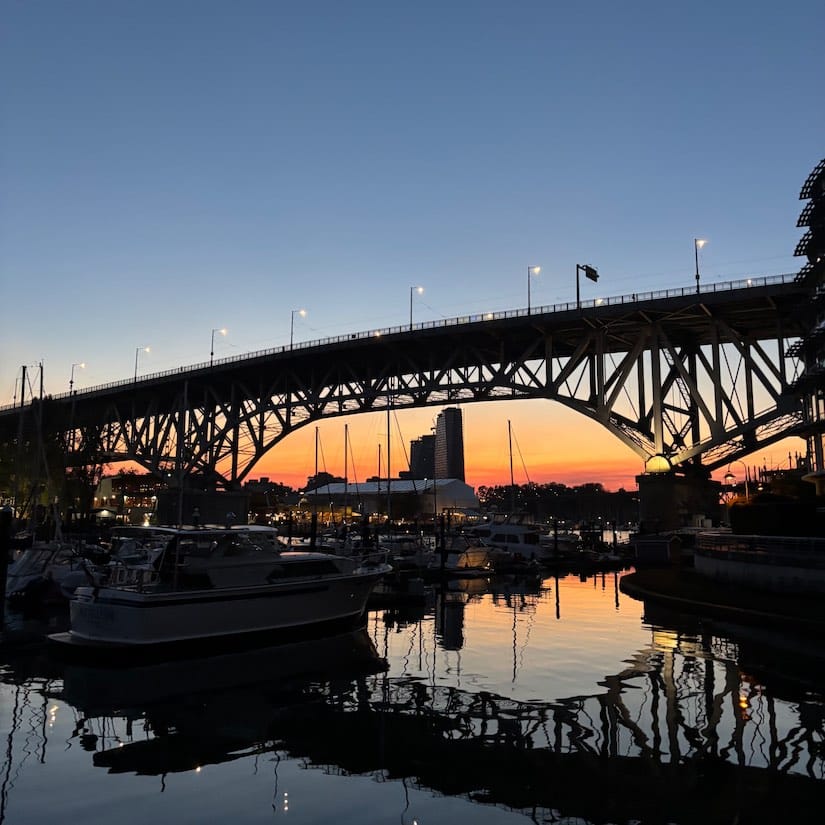
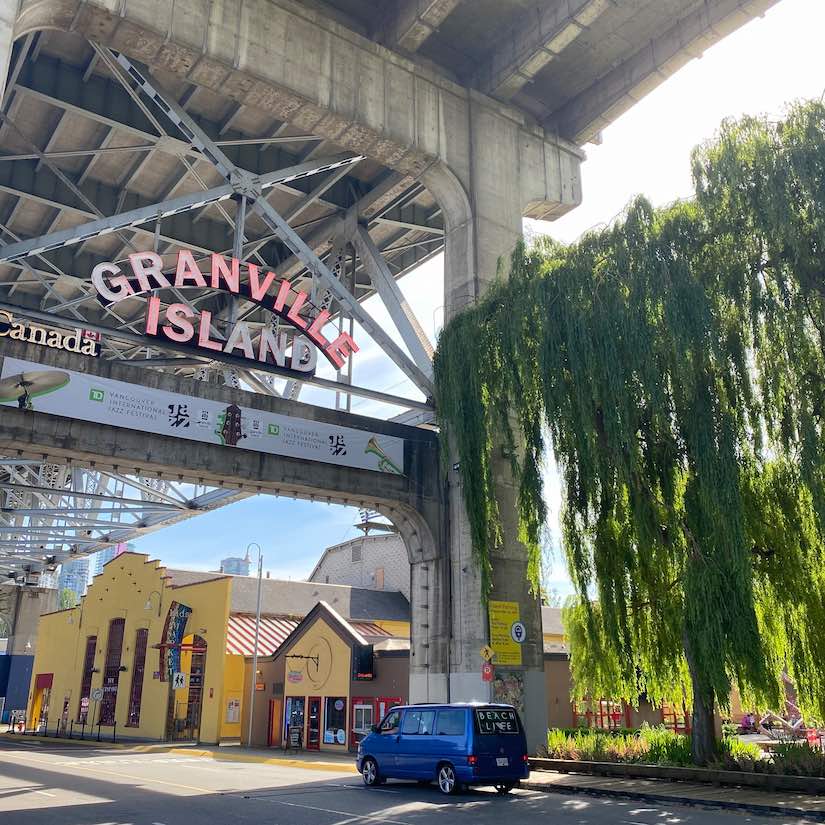
Granville Island sits under the Granville Street Bridge on False Creek, across from Downtown Vancouver. The area is close to Kitsilano, Fairview, South Granville, and the Seawall.
The district is not really an island in the dreamy, ferry-to-a-remote-place sense. It is connected by road, but False Creek gives it just enough separation from downtown to make it feel like its own little world. You can see the city’s glass towers from the water, but once you are under the bridge and inside the market, the vibe is different from the city’s core.
Best Arrival to Granville Island:
Getting there is part of the experience, for better or worse. Driving is possible, but parking is very much part of the Granville Island personality test. Pay parking is in effect daily from 9:00 am to 10:00 pm, and parking can be challenging on weekends.
The cutest and easiest way to arrive is usually by water. The Aquabus and False Creek Ferries run short rides across False Creek from downtown-side stops, including Hornby, Yaletown, Science World, Stamp’s Landing, the Aquatic Centre, and other points around the inlet.
Walking is fine if you are already nearby on the seawall, but from Downtown Vancouver, it can feel longer than expected, especially because you have to cross the bridge only to walk back on yourself. For visitors, the little ferries are much more charming.
Granville Island’s Industrial-By-The-Water Charm
Granville Island is captivating in a rough-and-ready seaside way.
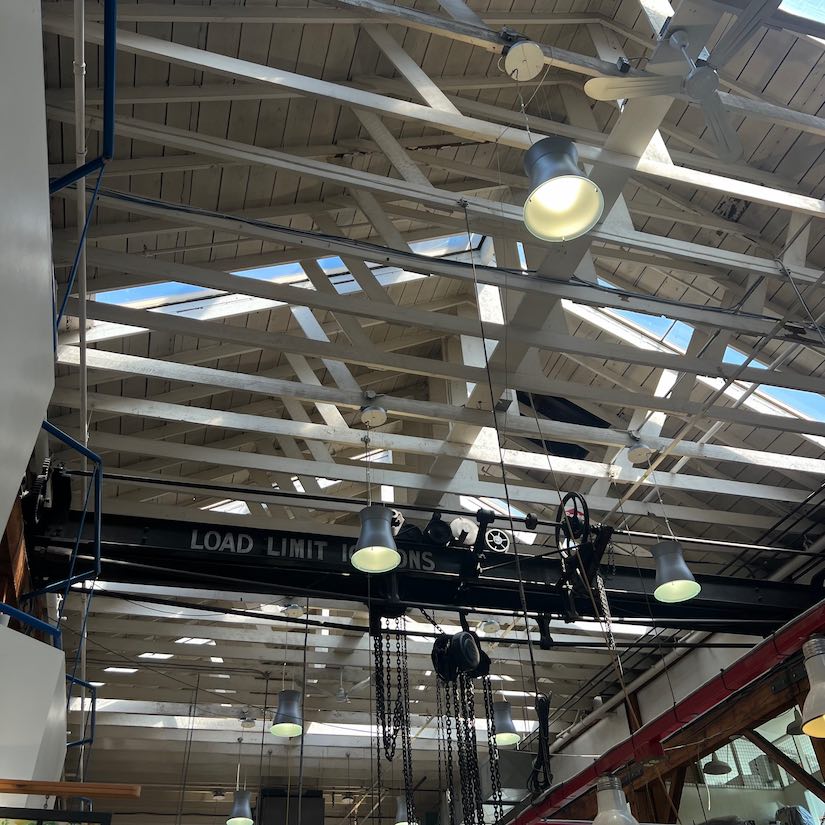
The beauty is not overly polished. It is painted buildings, concrete, corrugated textures, public courtyards, boatyards, docks, market signs, and seagulls (the last of which you have to be careful of, as, if you step away and aren’t looking, they’ll steal your food). The district feels like a place never meant to be perfect, which is partly why people love it so much.
The area has a real industrial history. Granville Island was created in 1916 using material from False Creek, before warehouses, mills, and machinery took over the site. By the 1970s, it had become the cultural destination people know today.
That background still matters. The island does not feel like a refined lifestyle development. It feels layered, occasionally odd, and much more interesting than a district built only for theatres and restaurants.
The Public Market Is the Main Character
Granville Island is not restaurant-first. It is market-first (and perhaps theatres a close second).
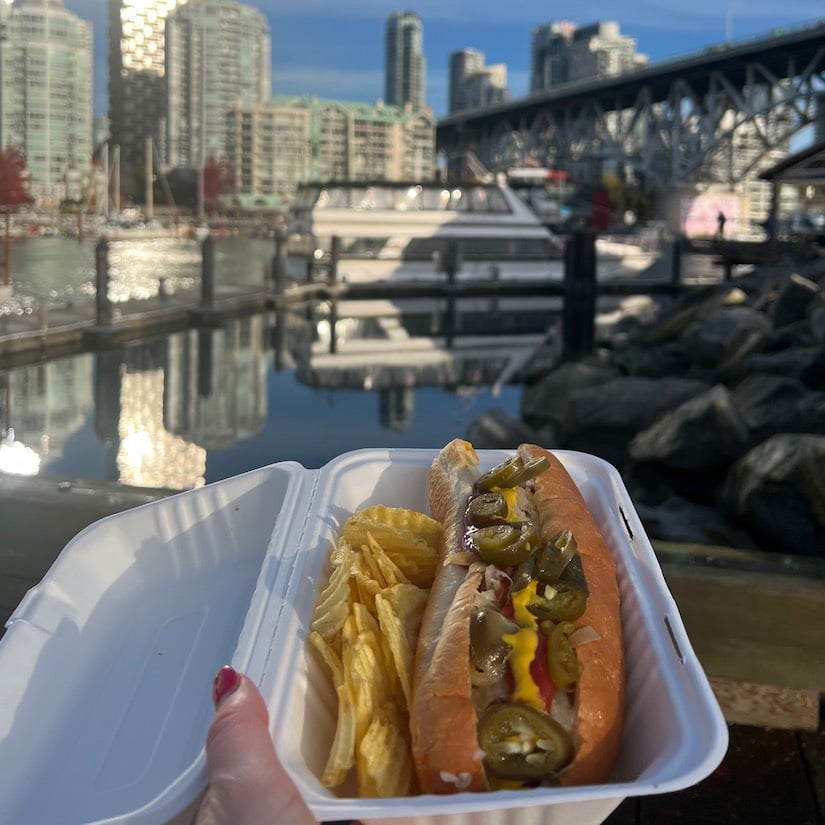
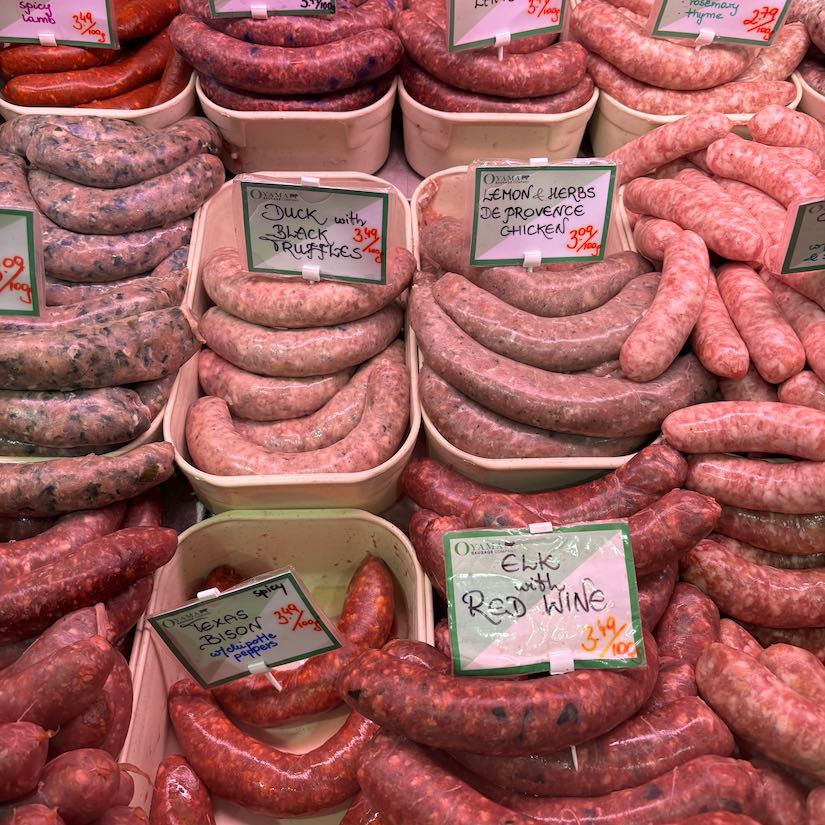
The Public Market is the reason most people come, and it still carries the whole neighbourhood. It’s where the island feels most alive: produce piled high, seafood on ice, pastries in windows, tourists circling, and locals moving with purpose, and everyone somehow leaving with more than they planned to buy.
Some of it is absolutely priced for tourists, but that is also part of the ritual. You wander, snack, overspend slightly, and call it culture.
The market is crowded, vibrant and occasionally chaotic, but that is the point. Granville Island works best when you stop trying to make it efficient and let it be an experience.
The Food Scene on Granville Island
A big part of Granville Island’s food scene is about edible wandering.
The area is not where you come for a row of sleek, late-night dining rooms. It’s a place to try a bit of everything: market snacks, casual seafood, breweries, bakeries, exotic produce, and a few sit-down restaurants that know the view is their best accessory (but the food is good too).
For visitors, the district feels like Vancouver condensed into a single melting pot, with an abundance of West Coast seafood, artisan smoked salmon, fancy groceries, public art, local designers, handmade gifts, and waterfront views.
For locals, Granville Island is more specific. Some come for bagels, books, wine, art supplies, or a sunny patio when they already know where they are going. Others go for the theatre, and there is lots of it, including The Improv Centre which puts on fabulous improvisational comedy shows.
The island is a rare combination, being both touristy and local.
In a nutshell, Granville Island is vibrant, busy, useful, quirky, expensive in that market way, and still very Vancouver.
Waterfront Restaurants With the View Doing Half the Work
A number of restaurants stand out on Granville Island. They include The Sandbar, Tap & Barrel Bridges, Dockside, The Vancouver Fish Company and the Keg.
The Sandbar is the most established seafood name on the island and arguably the classic Granville Island restaurant to book when you want something special. It sits by the Public Market, tucked under the Granville Street Bridge, with that very Vancouver moment of looking back at the skyline from across the water. The venue has seafood, an oyster bar, a wood-burning grill, a sushi bar, live music, a rooftop, and a warm, slightly old-school Vancouver feel. This is not the cheapest way to do Granville Island, but it is one of the most recognisable.
Tap & Barrel Bridges is the more casual, big-patio option on the northwestern tip of the island. It carries the old Bridges location into a newer Tap & Barrel format, with water views, a heated patio, an upper balcony, BC craft beer and wine taps, comfort food, brunch, and enough scale to accommodate groups.
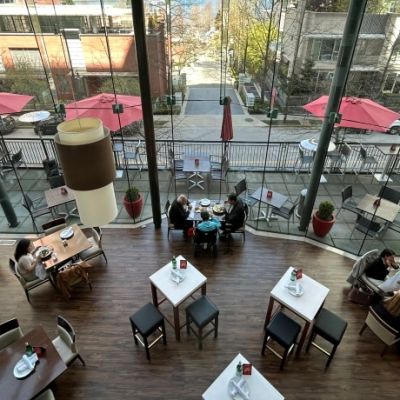
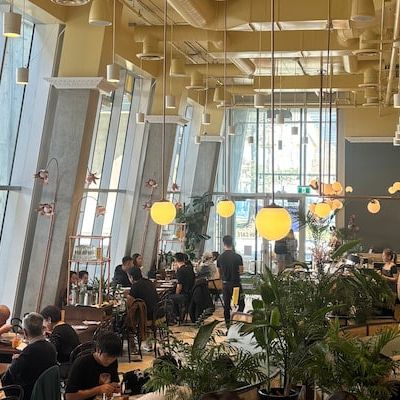
Dockside restaurant is the slightly overlooked venue because it sits farther from the main market crush, inside the Granville Island Hotel, though it shouldn’t be missed. The restaurant has floor-to-ceiling windows, city skyline views, a large waterfront patio, weekend brunch, and a setting that can handle everything from casual meals to weddings.
The Vancouver Fish Company is the easier-yet-still-chic seafood-and-drinks pick near the action. It is seafood-focused and useful when you want oysters, fish, cocktails, and a patio with a slightly refined feel.
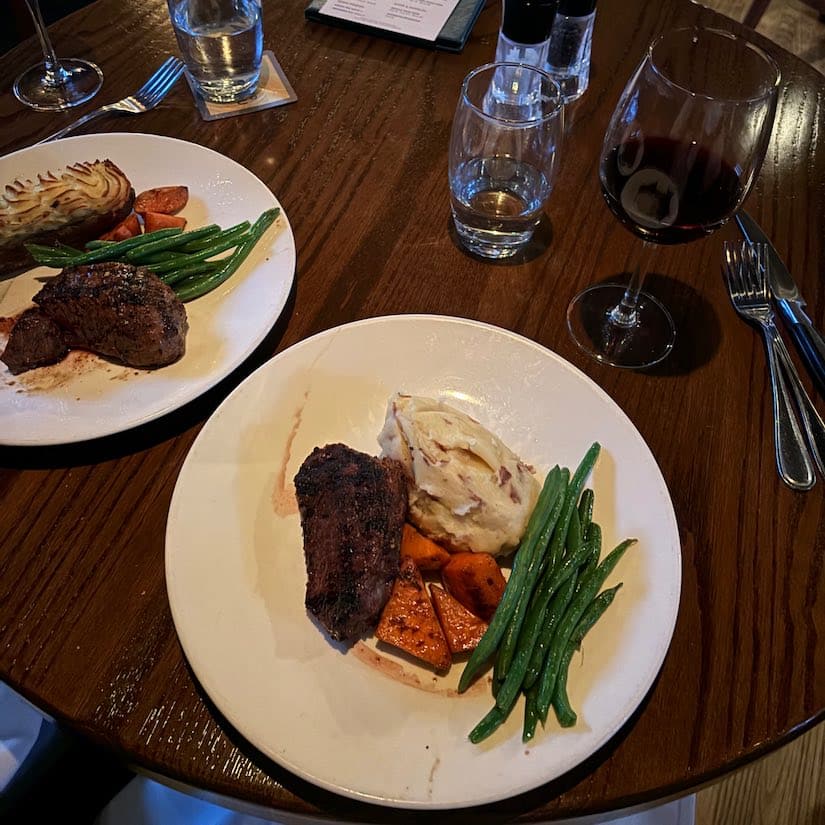
The Keg Granville Island is also worth mentioning because it has been part of the island since 1973 and still works for steak dinners and visitors who want something familiar. The restaurant has nostalgic value and a practical role in a neighbourhood where not everyone wants to gamble on market seating.
Casual Lunches, Beer Stops & No-Reservation Energy
Granville Island is very good at casual food that doesn’t need to become a whole production. Sometimes, visiting the area is better when you follow your appetite and accept that your “lunch plan” may become three snacks and a coffee.
Granville Island Brewing, which opened in 1984, still anchors the island with a taproom, small-batch beers and that easy “we walked, we shopped, now we need a pint” energy.
The Lobster Man is another classic if seafood is part of the plan. Established in 1977, it is one of Granville Island’s original tenants and focuses on live shellfish, including lobster. It is more of a market stop than a restaurant, but for seafood lovers, it is part of the island’s culinary identity.
Tony’s Fish & Oyster Cafe is a casual fish-and-chips option with an unpretentious seafood-café feel, while Popina is the fast-food-done-better stop when it is open (as it’s seasonal).


Coffee, Bakeries & Things You Eat While Walking
This is where Granville Island becomes dangerous. You arrive for coffee and leave with bagels, bread, lemon squares, flowers, a jar of something, and no clear explanation of how it happened. There’s no shortage of baked goods stores.
Petit Ami is the tiny, lively Public Market coffee shop for people who want espresso before dealing with the crowds.
Off the Tracks Espresso Bar & Bistro gives the island a more tucked-away Railspur Alley café feel, with breakfast, coffee, lunch, and a charming garden patio. It is useful when you want to sit down.
Lee’s Donuts is the market’s most obvious sweet stop: nostalgic, tourist-famous, usually lined up, and still the kind of doughnut you buy “just to see what the fuss is about” before eating it three steps later.
For bakeries, A Bread Affair, Terra Breads, Siegel’s Bagels, La Bise Bakery, Laurelle’s Fine Foods, and Muffin Granny all give the island its carbohydrate personality. Muffin Granny has been around since 1979 and serves baked goods, crepes, coffee, tea, and drinks, while Laurelle’s has been a family-run bakery-deli in the Public Market since 1990.
Art & Theatre: The Artsy Part Is Not Just Decorative
Granville Island is officially one of Vancouver’s major artistic and cultural hubs, with theatres, performance venues, festivals, galleries, artists, designers, studios, and the Net Loft and Artisan District woven into the same area as the market and restaurants.
The Improv Centre is one of the key cultural anchors, offering live comedy and unscripted performances. The Arts Club Theatre Company also has a Granville Island stage as part of its wider Vancouver theatre presence.
Arts Umbrella adds another layer, with a major arts education centre on the island, including visual arts studios, dance and theatre studios, a photography darkroom, a media arts hub, and a theatre space.
Dundarave Print Workshop in the Net Loft brings the working-studio side of the island into view, with printmaking facilities, exhibitions, and artist-member work.
There is also a water-activity side to the island that visitors often notice before locals do. Whale-watching tours, boat tours, Seadoos, kayaks, and paddleboards all operate from around Granville Island and False Creek.
That is why Granville Island feels different from a regular dining district. You can eat lunch, watch boats move through False Creek, browse a gallery, buy handmade paper, see a show, pick up seafood, and leave by ferry.
The best way to do Granville Island is to dress comfortably and arrive with time
What It Feels Like to Eat on Granville Island
The district’s mood is walking shoes, tote bags, families, and tourists taking photos, and locals trying to get in and out before the crowds swallow them whole.
There are upscale venues, but this is not a heels-and-dresses neighbourhood like Yaletown. Even the nicer restaurants feel more destination-casual than formal.
Dockside may be the most event-ready, while Sandbar feels like the classic seafood dinner with a view. But generally, Granville Island feels relaxed.

When Granville Island Works Best
Granville Island is more daytime than nightlife (unless you are there for a show). It’s best for brunch, lunch, patio drinks, market wandering, theatre plans, and sunny afternoons that accidentally become expensive. It works especially well for families, casual dates, seafood shoppers, artsy types, and anyone who likes food shopping as much as dining.
The appeal is the whole mix: ferries, boardwalks, public-market energy, galleries, artisan shops, and that slightly nautical feeling you do not get in most of Vancouver’s dining districts.
Take the Ferry, walk the Seawall, buy something from the market, sit outside, then decide whether you are a Sandbar, Dockside, Bridges, Vancouver Fish Company, or brewery person.
The island is less ideal if you want quiet, easy parking, sleek nightlife, or a fine-dining evening without crowds. Sunny weekends, holidays, and cruise-season days can feel especially tourist-heavy, which is exactly when some locals avoid the area.
Other Granville Island Events
In addition to the public market, restaurants, art galleries and theatres, Granville Island is home to some terrific festivals and events. There is the Vancouver International Children’s Festival in spring and the Vancouver International Jazz Festival and Canada Day Celebrations in summer. There is also the Vancouver Fringe Festival and Latin American Heritage Month activities in the fall as well as the Winter Solstice Festival and holiday lights in winter. There are lots of other events too that are definitely worth attending.
Similar Neighbourhoods in Vancouver
If you like Granville Island for the public market and waterfront, Lonsdale Quay and the Shipyards District is the closest comparison, though it feels more North Shore and less touristy. The Shipyards is easy to reach from downtown Vancouver by SeaBus, and the market-meets-waterfront setup makes it feel like Granville Island’s calmer cousin (except when the Shipyards Night Market is happening).
If you like the marina and patio side, Yaletown‘s waterfront edge has a classier, more social version of the same False Creek view, and it’s more accessible from downtown but without the market charm.
If you like the False Creek walk-and-water feeling, Olympic Village serves as an extension of that mood, especially along the seawall, with breweries, casual restaurants, and pubs near the water.
If you like the seafood-and-scenic-restaurant side, Coal Harbour offers a more upscale version, with places like Cardero’s, LIFT, and hotel dining near the marina.
Granville Island is still its own thing, though. Unique in so many ways and so well worth visiting.
Editorial Disclosure: Details are accurate at the time of writing. Features may form part of paid or hosted editorial partnerships and reflect Charlotte Ahern’s independently-curated selection, based on her editorial standards and personal taste.

Charlotte Ahern
Charlotte covers Vancouver’s dining scene, focusing on vibe, design, service, and the dishes people book tables for. Her work is highly selective, centred around elevated spaces where the experience goes beyond the plate.